
How to Choose the Right Packaging MOQ
One of the first questions brands ask is about minimum order quantity, or MOQ. Understanding why it exists helps you order smartly rather than over-committing.
Why there is a minimum
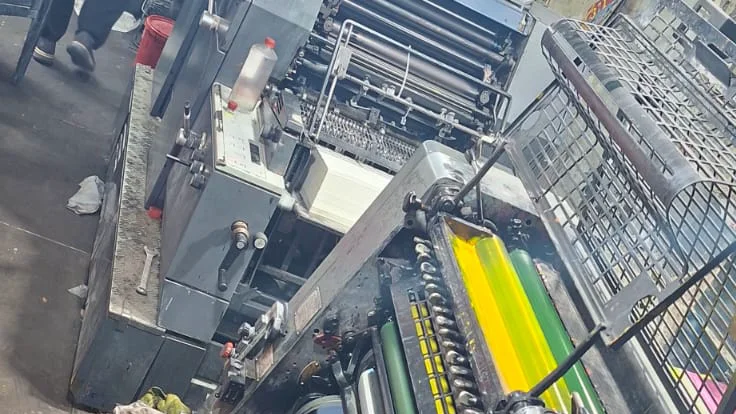
Custom packaging involves setup: tooling, plates or dies, print calibration and material sourcing. Those fixed costs are spread across the run, so very small quantities become expensive per unit. The MOQ is the point where a job is efficient to produce at a fair price.
How quantity moves the unit price
Because setup is largely fixed, the price per unit falls as the quantity rises. Doubling a run rarely doubles the cost, so larger orders lower your cost per piece, often significantly. Our price tables show these brackets clearly so you can see the trade-off before you commit.
Matching the run to your stage
If you are testing a product or a design, order at or near the MOQ to limit risk, and accept a slightly higher unit price for the flexibility. Once a product is proven and selling steadily, moving up a bracket lowers your cost and protects your margin. Avoid ordering years of stock at once; storage, damage and design changes can erode the saving.
A practical approach
Start at the MOQ for a first run, request a sample first, and plan your reorder point before you run low so you can benefit from larger, cheaper brackets on repeat orders. If you are unsure which quantity makes sense, tell us your monthly sales and we will suggest a run size.